
Welcome to the Stress Management section of Wellness Yoga Institute.
Stress is a common part of modern life. Work pressure, family responsibilities, financial difficulties, health concerns and everyday challenges can affect our mental and physical well-being.
Understanding stress is the first step towards managing it effectively. In this article, we explore the causes, types and effects of stress, along with practical, science-based approaches to improve emotional well-being and build healthy coping skills.
Our goal is to promote stress awareness and encourage healthier lifestyles through reliable health education, yoga, relaxation techniques and appropriate wellness guidance.
1. What Is Stress?
Stress is the body’s natural physical and psychological response to challenging, demanding or threatening situations. It is a normal part of human life and can occur when we face difficulties, uncertainty, pressure or major changes.
When a person experiences stress, the brain activates a series of biological responses that prepare the body to deal with a perceived challenge. This is commonly known as the fight-or-flight response.
During this response, the body may release stress hormones such as adrenaline and cortisol. Heart rate and breathing may increase, muscles may become tense, and attention may become more focused on the perceived threat.
Is Stress Always Harmful?
No. Stress is not always harmful.
A manageable amount of short-term stress may help us remain alert, motivated and prepared to face challenges. For example, stress before an examination, an important meeting or a competition may encourage a person to prepare and perform better.
However, excessive, repeated or long-lasting stress can affect emotional well-being, sleep, concentration and physical health.
Understanding the Difference
- Short-term stress: Usually develops in response to an immediate challenge and may decrease when the situation is resolved.
- Long-term stress: Occurs when stressful situations continue over an extended period or when a person finds it difficult to recover from repeated stress.
Learning to recognize stress and developing healthy coping skills are important steps towards maintaining mental and physical well-being.
Important: Stress is a normal human response, but persistent or severe stress may require professional assessment and support.
2. Types of Stress: Acute Stress and Chronic Stress
Stress can be broadly understood in two forms: Acute Stress and Chronic Stress. They differ mainly in their duration, triggers and effects on the body and mind.
2.1 Acute Stress
Acute stress is a short-term response to an immediate challenge, demand or perceived threat. It usually develops quickly and decreases when the stressful situation is over.
Common Examples:
● Speaking in front of an audience.
● Preparing for an examination.
● Facing an unexpected problem.
● Experiencing a sudden traffic delay.
● Attending an important job interview.
How the Body Responds:
During acute stress, the body’s fight-or-flight response may become activated. Adrenaline and other stress-related chemicals help prepare the body for immediate action.
Common temporary responses may include:
● Increased heart rate.
● Faster breathing.
● Muscle tension.
● Increased alertness.
● Sweating or temporary nervousness.
These responses generally settle as the situation passes and the body returns towards its normal state.
2.2 Chronic Stress
Chronic stress develops when stressful conditions continue for a long time or when a person experiences repeated stress without adequate recovery.
Common Causes:
● Ongoing financial difficulties.
● Long-term work pressure.
● Family or relationship conflicts.
● Continuous caregiving responsibilities.
● Persistent health-related worries.
● Prolonged social or environmental difficulties.
How the Body Responds:
When stress continues over an extended period, the body’s stress-response systems may remain repeatedly or persistently activated. Cortisol regulation and other physiological processes may be affected.
Possible effects include:
● Sleep disturbances.
● Persistent fatigue.
● Difficulty concentrating.
● Irritability and emotional distress.
● Muscle tension and headaches.
● Changes in appetite.
Long-term stress is also associated with increased risks of several physical and mental health problems. However, stress does not affect everyone in the same way.
Key Difference Between Acute and Chronic Stress:
Acute Stress: Short-term, usually linked to an immediate situation and often settles after the challenge passes.
Chronic Stress: Long-lasting or repeatedly experienced stress that may interfere with daily functioning, sleep and overall well-being.
Recognizing the type and duration of stress can help individuals choose appropriate coping strategies and seek professional support when needed.
3. Causes of Stress:
Stress can develop from different situations, experiences and environmental conditions. What causes stress in one person may not affect another person in the same way. Individual personality, coping skills, life experiences and available social support can influence how a person responds to stressful situations.
Some common causes of stress are discussed below.
3.1 Work-Related Stress
Work-related stress may develop when job demands exceed a person’s ability, available time or resources to manage them effectively.
Common Causes:
● Excessive workload and tight deadlines.
● Long working hours without adequate rest.
● Job insecurity or fear of losing employment.
● Workplace conflicts and lack of support.
● Unclear responsibilities or unrealistic expectations.
Example: A person who regularly works long hours, faces strict deadlines and has little time for relaxation may experience persistent stress.
3.2 Financial Stress
Financial difficulties are a common source of psychological pressure. Uncertainty about income, expenses and future financial security may contribute to ongoing worry.
Common Causes:
● Debt and loan repayments.
● Unemployment or unstable income.
● Rising living expenses.
● Difficulty meeting family responsibilities.
● Unexpected financial emergencies.
Example: A person who struggles to pay monthly bills or manage loan repayments may experience worry, sleep disturbances and difficulty concentrating.
3.3 Family and Relationship Stress
Family responsibilities and relationship difficulties can create emotional stress, particularly when conflicts remain unresolved.
Common Causes:
● Frequent disagreements between family members.
● Marital or relationship conflicts.
● Parenting and caregiving responsibilities.
● Lack of communication and emotional support.
● Separation, divorce or loss of a loved one.
Example: Continuous family conflicts or caring for a dependent family member without adequate support may contribute to emotional exhaustion.
3.4 Health-Related Stress
Physical illness, chronic health conditions and uncertainty about health can affect emotional well-being.
Common Causes:
● Living with a long-term illness.
● Fear of medical procedures or test results.
● Persistent pain or physical limitations.
● Caring for someone with a serious illness.
● Worry about future health and treatment expenses.
Example: A person managing a chronic health condition may experience stress related to treatment, lifestyle changes and uncertainty about the future.
3.5 Social and Environmental Stress
The surrounding social and physical environment can influence a person’s stress levels.
Common Causes:
● Social isolation and loneliness.
●Bullying, discrimination or social pressure.
● Noise, overcrowding and pollution.
● Unsafe living or working conditions.
● Lack of privacy or personal space.
Example: Living in a noisy, overcrowded environment with limited opportunities for rest may contribute to irritability and mental fatigue.
3.6 Major Life Changes and Uncertainty
Even positive life changes can create stress because they require adjustment, decision-making and adaptation.
Common Causes:
● Starting a new job or changing careers.
● Moving to a new place.
● Marriage or becoming a parent.
● Retirement.
● Bereavement or separation.
● Uncertainty about future plans.
Example: Starting a new job may bring excitement and new opportunities, but adapting to unfamiliar responsibilities can also create temporary stress.
Important Note
Stress does not always result from a single cause. Several challenges may occur together and increase the overall pressure a person experiences.
Identifying the sources of stress is an important first step towards developing healthy coping strategies and improving overall well-being.
4. How Stress Affects the Brain and Body
Stress does not affect the mind alone. It can also produce several physical and biological changes in the body. When the brain perceives a challenge or threat, it activates the body’s stress-response systems to prepare for action.
Two important systems involved in this response are the Sympathetic Nervous System (SNS) and the Hypothalamic-Pituitary-Adrenal (HPA) Axis.
4.1 Activation of the Sympathetic Nervous System
When a person experiences sudden stress, the brain activates the Sympathetic Nervous System.
This triggers the release of adrenaline and noradrenaline, preparing the body for the fight-or-flight response.
Common Physiological Changes:
● Heart rate increases.
● Breathing becomes faster.
● Blood pressure may temporarily rise.
● Muscles become tense.
● Sweating may increase.
● Alertness and attention may become heightened.
These changes help the body respond to an immediate challenge.
4.2 Activation of the HPA Axis
The Hypothalamic-Pituitary-Adrenal (HPA) Axis is another important system involved in the body’s response to stress.
The process occurs in three main stages:
1. Hypothalamus: Releases Corticotropin-Releasing Hormone (CRH).
2.Pituitary Gland: Releases Adrenocorticotropic Hormone (ACTH) in response to CRH.
3.Adrenal Glands: Release cortisol in response to ACTH.
Cortisol is commonly known as the primary stress hormone. It helps regulate energy availability, metabolism, immune activity and the body’s response to stress.
Cortisol is essential for normal body functions. However, prolonged or repeated stress-related activation may affect several physiological processes.
4.3 Effects on the Brain
Stress can influence brain functions related to memory, learning, attention and emotional regulation.
Important brain regions involved include:
● Amygdala: Plays an important role in processing emotions, fear and threat-related information.
● Hippocampus: Involved in learning, memory and the regulation of stress responses.
● Prefrontal Cortex: Helps with decision-making, planning, concentration and emotional regulation.
Prolonged stress may interfere with some of these functions, although the effects vary between individuals.
4.4 Effects on Different Body Systems
Cardiovascular System: Stress may temporarily increase heart rate and blood pressure. Long-term stress is associated with increased cardiovascular health risks.
Digestive System: Stress may influence digestive activity and contribute to symptoms such as abdominal discomfort, nausea or changes in bowel habits.
Immune System: Stress hormones influence immune activity. Persistent stress may alter immune regulation.
Muscular System: Stress may cause muscle tension, particularly in the neck, shoulders and back.
Sleep: Stress may make it difficult to fall asleep, remain asleep or achieve restful sleep.
4.5 Acute Stress vs Prolonged Stress Response
An acute stress response is usually temporary and helps the body respond to immediate challenges.
When stress becomes prolonged or repeatedly activated without adequate recovery, it may contribute to disturbances in sleep, mood, concentration, metabolism and overall health.
Understanding these biological responses helps us recognize why effective stress management is important for both mental and physical well-being.
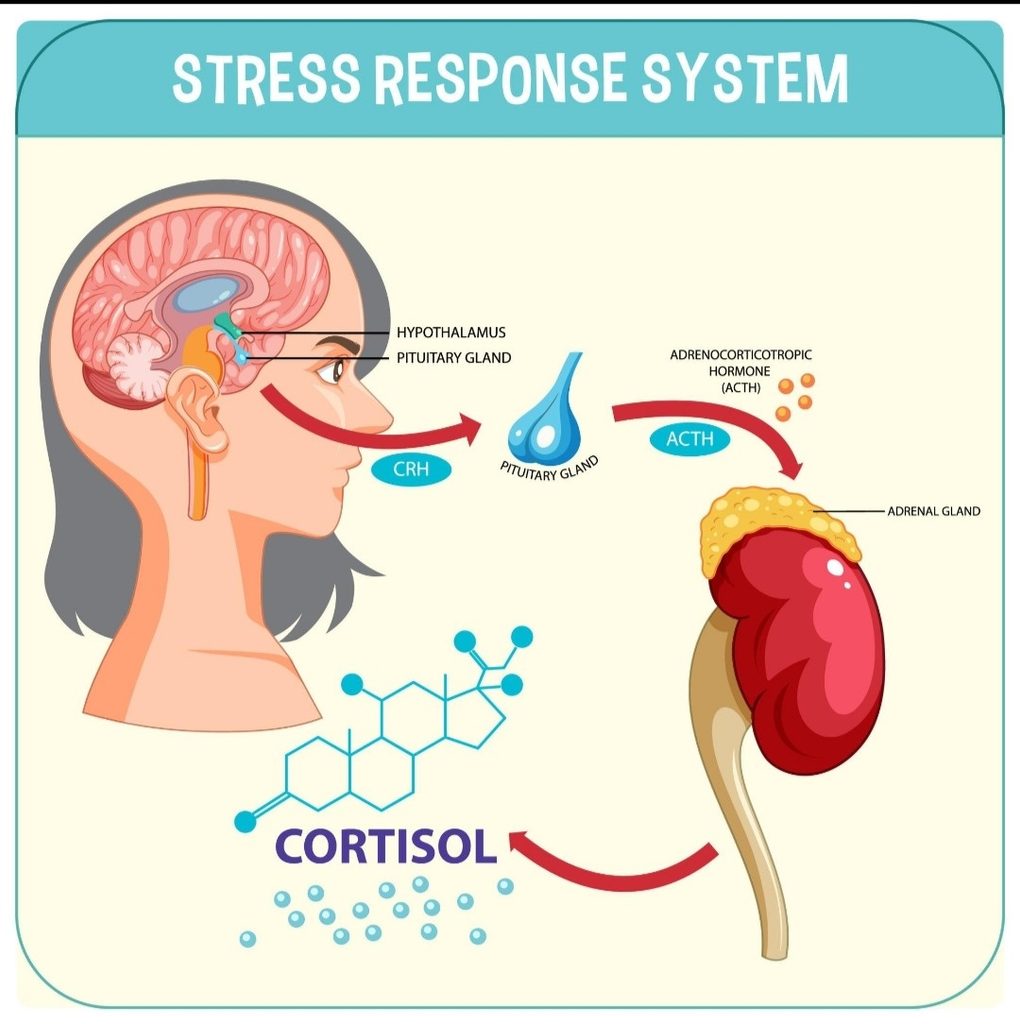
Figure 1: The HPA Axis — How the Brain Activates the Body’s Stress Response
The diagram illustrates how the hypothalamus, pituitary gland and adrenal glands work together to regulate the release of cortisol during the stress response.
5. Signs and Symptoms of Stress
Stress can affect people in different ways. Some individuals may experience physical discomfort, while others may notice emotional changes, difficulty concentrating or changes in their daily behaviour.
Recognizing the signs and symptoms of stress is an important step towards understanding one’s mental and physical well-being. Symptoms may vary depending on the nature, intensity and duration of stress.
5.1 Physical Symptoms of Stress
Stress activates the body’s natural response systems, which can produce noticeable physical changes.
Common physical symptoms include:
● Headaches or tension-related headaches.
● Muscle tension, especially in the neck, shoulders and back.
● Increased heart rate or palpitations.
● Sweating or trembling.
● Dry mouth.
● Digestive discomfort, including stomach pain or changes in bowel habits.
● Fatigue and low energy.
● Sleep disturbances.
● Changes in appetite.
These symptoms may occur during stressful situations. However, they can also have other medical causes and should not automatically be attributed to stress.
5.2 Emotional Symptoms of Stress
Stress can influence emotional balance and the way a person responds to everyday situations.
Common emotional symptoms include:
● Feeling worried or anxious.
● Irritability or frustration.
● Restlessness and feeling overwhelmed.
● Mood changes.
● Reduced motivation.
● Feeling emotionally exhausted.
● Difficulty relaxing.
● Increased sensitivity to everyday problems.
When stress continues for a long time, these emotional changes may affect relationships, work and overall quality of life.
5.3 Cognitive Symptoms of Stress
Cognitive symptoms are changes in thinking, memory, attention and decision-making.
A person experiencing stress may notice:
● Difficulty concentrating.
● Forgetfulness.
● Racing or repetitive thoughts.
● Excessive worrying about the future.
● Difficulty making decisions.
● Negative thinking patterns.
● Reduced mental clarity.
● Difficulty organizing daily tasks.
These difficulties may interfere with learning, professional responsibilities and everyday activities.
5.4 Behavioural Symptoms of Stress
Stress may also influence a person’s habits and everyday behaviour.
Common behavioural changes include:
● Avoiding social interactions.
● Withdrawing from family or friends.
● Changes in eating habits.
● Sleeping too much or too little.
● Reduced physical activity.
● Procrastination or difficulty completing tasks.
● Increased use of tobacco, alcohol or other substances.
● Losing interest in previously enjoyable activities.
These changes can sometimes make stress more difficult to manage if they continue over time.
5.5 When Should You Seek Professional Help?
Occasional stress is a normal part of life. However, professional support may be helpful when symptoms:
● Continue for several weeks or become increasingly severe.
● Interfere with sleep, work, studies or relationships.
● Cause persistent anxiety, low mood or emotional distress.
● Lead to unhealthy coping behaviours.
● Make everyday responsibilities difficult to manage.
If symptoms are severe, sudden or persistent, consult a qualified healthcare professional. Chest pain, severe breathing difficulty or fainting require urgent medical assessment rather than assuming they are caused by stress.
Important Note: Stress symptoms are not the same for everyone. Persistent symptoms should be assessed carefully because some may be associated with medical or mental health conditions. Early recognition and appropriate support can help improve overall well-being.
6. Effective Stress Management Strategies
Stress cannot always be avoided, but it can be managed through healthy coping strategies and lifestyle changes.
Effective stress management involves understanding personal stress triggers, developing emotional resilience and maintaining a healthy balance between physical and mental well-being.
The following approaches can help individuals manage everyday stress more effectively.
6.1 Regular Physical Activity
Regular physical activity is an important part of stress management.
Activities such as walking, cycling, swimming, dancing and light exercise may help improve mood, reduce physical tension and support better sleep.
Practical Tips:
● Aim for regular moderate physical activity according to your fitness level.
● Start with 15–20 minutes of walking if you are physically inactive.
● Choose activities that you enjoy.
● Avoid excessive exercise, especially when feeling unwell.
6.2 Deep Breathing and Relaxation Techniques
Slow, comfortable breathing and relaxation practices may help reduce physical tension and promote a sense of calm.
Suggested Practices:
● Slow diaphragmatic breathing.
● Gentle abdominal breathing.
● Progressive muscle relaxation.
● Guided relaxation.
How to Practise Slow Breathing:
1.Sit comfortably in a quiet place.
2. Relax your shoulders and jaw.
3. Breathe gently through your nose.
4. Allow your abdomen to expand naturally while inhaling.
5. Exhale slowly without forcing the breath.
6. Continue for 3–5 minutes.
Avoid forceful breathing or prolonged breath-holding. Stop if you feel dizzy or uncomfortable.
6.3 Yoga and Meditation
Yoga combines physical postures, breathing practices and relaxation. Meditation involves training attention and awareness.
Regular, appropriately adapted yoga and meditation practices may support relaxation, emotional well-being and stress management.
Examples of Gentle Practices:
● Tadasana (Mountain Pose).
● Sukhasana (Easy Seated Pose). ● Marjaryasana-Bitilasana (Cat-Cow Movement). ● Balasana ( Child’s Pose) ● Savasana
● Gentle stretching.
● Mindfulness meditation.
● Guided relaxation or Yoga Nidra.
Choose practices according to your physical condition and experience. People with health concerns should seek appropriate professional guidance before beginning a new programme.
6.4 Healthy Sleep Habits
Adequate sleep is essential for emotional regulation, concentration and physical recovery.
Poor sleep may increase stress sensitivity, while persistent stress may also interfere with sleep.
Healthy Sleep Habits:
1.Maintain a consistent sleep and wake-up schedule.
2. Reduce screen exposure before bedtime.
3. Avoid caffeine close to bedtime.
4. Keep the bedroom quiet, comfortable and dark.
5. Develop a relaxing bedtime routine.
Most adults need around 7–9 hours of sleep each night, although individual needs may vary.
6.5 Balanced Nutrition and Hydration
A balanced diet supports general health and helps maintain energy levels throughout the day.
Healthy Eating Practices:
● Include vegetables, fruits and whole grains.
● Choose adequate protein sources.
● Include healthy fats in appropriate amounts.
● Drink sufficient water.
● Limit excessive caffeine.
● Avoid relying on sugary foods or highly processed snacks.
No single food can eliminate stress. A consistent, balanced eating pattern is more important.
6.6 Time Management and Daily Planning
Poor time management and excessive workload can increase stress.
Organizing daily activities may help individuals feel more prepared and reduce unnecessary pressure.
Practical Strategies:
● Prepare a realistic daily schedule.
Prioritize important tasks.
● Break large tasks into smaller steps.
● Take short breaks between demanding activities.
● Avoid unnecessary multitasking.
● Set reasonable limits on work and personal responsibilities.
6.7 Social Support and Healthy Relationships
Positive social connections can provide emotional support during difficult situations.
Talking with trusted family members, friends or colleagues may help individuals feel understood and less isolated.
Helpful Practices:
● Share your concerns with someone you trust.
● Maintain healthy relationships.
● Participate in meaningful social activities.
● Ask for help when needed.
● Respect personal boundaries.
6.8 Professional Counselling and Mental Health Support
Sometimes stress becomes difficult to manage independently. Professional support can help individuals understand their difficulties and develop healthier coping strategies.
Counselling and evidence-based psychological approaches, such as Cognitive Behavioural Therapy (CBT), may be helpful for people experiencing persistent stress, anxiety or emotional difficulties.
Seeking professional help is a positive step towards better mental health.
Important Note: Stress management techniques are supportive approaches, not substitutes for medical or psychological treatment when needed. If stress is severe, persistent or interfering with daily life, consult a qualified healthcare or mental health professional.
6.3 Yoga and Meditation for Stress Management
Yoga combines physical postures, gentle movements, breathing practices and relaxation techniques. Regular and appropriate practice may help reduce muscular tension, improve body awareness and support emotional well-being.
The following yoga practices can be included in a gentle stress management routine.
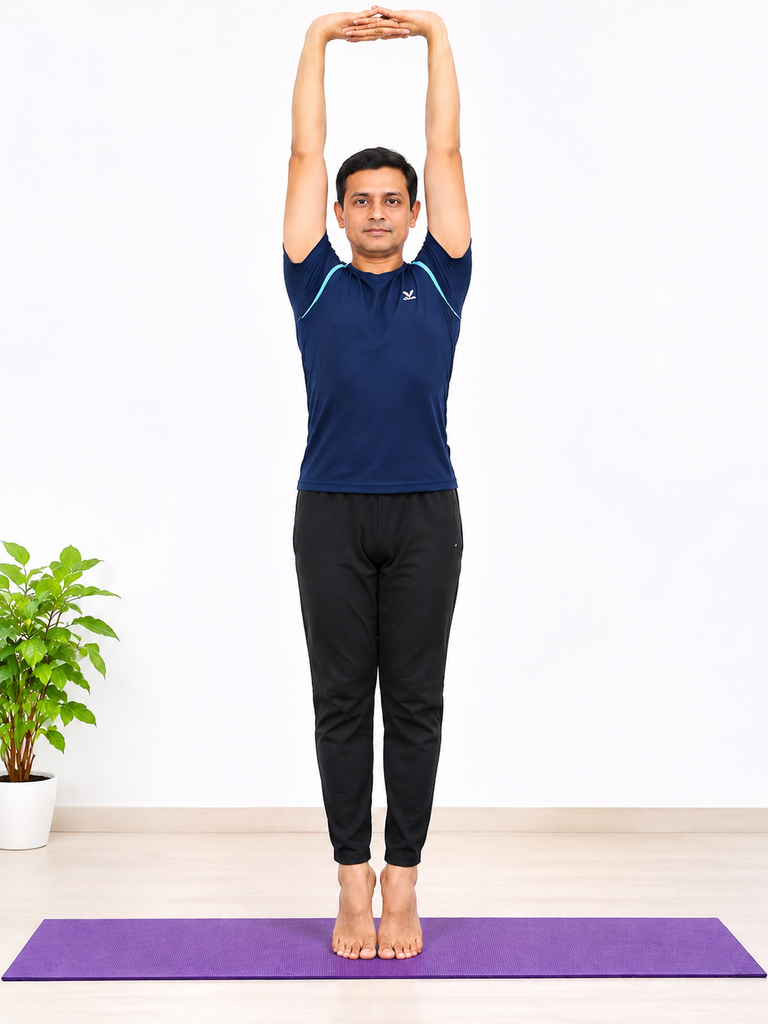
- Tadasana (Mountain Pose) – Raised Arms and Heel Lift Variation
Purpose: To improve body awareness, posture, gentle stretching and balance.
Starting Position:
● Stand upright with your feet together or comfortably close.
● Keep your body weight evenly distributed across both feet.
● Relax your shoulders and keep your arms beside your body.
Procedure:
1. Stand tall and maintain a comfortable, stable posture.
2. Slowly raise both arms overhead.
3. Interlock your fingers and turn your palms upward.
4. Gently stretch your arms towards the ceiling.
5. Slowly raise both heels, balancing on the balls of your feet and toes.
6. Keep your knees comfortably straight and your spine elongated.
7. Maintain natural, comfortable breathing.
8. Hold the position briefly without straining.
9. Slowly lower your heels to the floor and bring your arms back beside your body.
Duration: Hold for 5–10 seconds initially. Repeat 2–3 times according to comfort and balance.
Precautions: ●Practise near a wall or stable support if you have balance difficulties. ●Avoid this heel-raised variation if you have significant balance problems or foot or ankle pain. ●Do not force the stretch or hold your breath. ●Stop if you experience dizziness, pain or discomfort.
How Tadasana May Support Stress Management
Tadasana encourages mindful body awareness, upright posture and controlled, comfortable breathing. Focusing on body alignment and steady breathing may help improve concentration and promote a sense of calm.
The raised-heels variation also challenges balance and requires gentle attention. Practise slowly without straining or creating unnecessary muscle tension.
Breathing Awareness
● Inhale gently while raising your arms.
● Maintain natural and comfortable breathing while holding the posture.
● Exhale slowly as you lower your arms and heels.
● Avoid holding your breath at any stage.
Important: Tadasana is a supportive mind-body exercise. It may promote relaxation and body awareness, but it is not a standalone treatment for stress or anxiety.
2. Marjaryasana-Bitilasana (Cat-Cow Movement)Purpose: To gently mobilize the spine and release tension in the back.
Starting Position:
●Come onto your hands and knees. ●Place your wrists under your shoulders and knees under your hips. ●Keep your fingers spread comfortably.
Procedure : 1.Cow Pose (Bitilasana): Inhale gently, tilt your pelvis forward and allow your abdomen to move slightly downward. Lift your chest and look forward without compressing your neck.
2. Cat Pose (Marjaryasana): Cat Pose (Marjaryasana): Exhale gently, round your back towards the ceiling and allow your head to relax downward.
3.Move slowly between these two positions, coordinating movement with comfortable breathing.
4.Avoid forcing the movement or stretching beyond your comfortable range.
Duration: Repeat 5–10 slow cycles.
Precaution: People with wrist, knee or spinal problems should modify the posture or seek professional guidance
3. Balasana (Child’s Pose)
Purpose: To encourage rest, gentle stretching and relaxation.
Starting Position:
- Kneel on a yoga mat.
- Bring your big toes towards each other.
- Keep your knees together or comfortably apart.
Procedure:
- Slowly move your hips towards your heels.
- Gently bend forward from your hips.
- Rest your forehead on the mat or on a cushion.
- Extend your arms forward or rest them alongside your body.
- Relax your shoulders, neck and back.
- Breathe slowly and comfortably while maintaining the position.
- To release the pose, gently lift your upper body and return to a kneeling position.
Duration: Hold the pose comfortably for 30 seconds to 1 minute. Gradually increase the duration if comfortable.
Precautions:
Individuals with knee injuries or significant joint problems should seek professional guidance before practising.
Do not force your hips towards your heels.
Use a cushion or folded blanket for support if needed.
Avoid the pose if it causes knee, hip or back pain.
4. Sukhasana (Easy Seated Pose)
Purpose: To establish a comfortable sitting position for breathing exercises and meditation.
Starting Position:
● Sit on a yoga mat.
● Cross your legs comfortably.
● Keep your spine naturally upright.
● Rest your hands on your knees.
Procedure:
1. Adjust your legs until you feel comfortable.
2. Keep your back upright without stiffening your body.
3. Relax your shoulders, face and jaw.
4 Close your eyes gently if comfortable.
5. Observe your natural breathing without trying to control it.
6. Allow your attention to settle on the present moment.
Duration: Begin with 2–5 minutes and gradually increase according to comfort.
Precaution: Use a cushion under your hips if needed. Avoid forcing the knees towards the floor.
5. Savasana (Corpse Pose)
Purpose: To promote deep physical relaxation and body awareness.
Starting Position:
● Lie comfortably on your back.
● Keep your legs slightly apart.
● Allow your arms to rest beside your body with palms facing upward.
Procedure:
1. Close your eyes gently.
2. Allow your entire body to settle into the mat.
3. Relax your feet, legs, abdomen, shoulders, arms and facial muscles.
4. Observe your natural breathing.
5. Notice any areas of tension and allow them to soften without forcing relaxation.
6.Remain still and bring your attention gently back to your breathing whenever your mind wanders.
7.To finish, slowly move your fingers and toes, turn onto one side and gradually sit up.
Duration: Practise for 5–10 minutes.
Precaution: Place a cushion under your knees if needed. If lying flat causes discomfort, use a comfortable supported position.
6. Gentle Stretching
Purpose: To reduce muscular stiffness and encourage physical relaxation.
Suggested Movements:
● Gentle neck movements.
● Shoulder rolls.
● Shoulder and arm stretches.
● Gentle side stretches.
● Wrist and ankle movements.
● Comfortable seated or standing spinal stretches.
Procedure:
1. Begin in a comfortable sitting or standing position.
2. Move slowly and smoothly.
3. Stretch only until you feel mild tension, never pain.
4. Breathe naturally throughout the movements.
● Avoid bouncing or forcing any joint.
● Return slowly to the starting position.
Duration: Spend approximately 5–10 minutes on gentle stretching.
Precaution: Avoid sudden movements and excessive stretching, especially if you have joint or spinal problems.
7. Mindfulness Meditation
Purpose: To develop awareness of present-moment experiences without unnecessary judgment.
Starting Position:
● Sit comfortably on a chair or in Sukhasana.
● Keep your spine naturally upright.
● Rest your hands comfortably on your thighs.
Procedure:
1. Close your eyes gently or keep them softly focused downward.
2. Bring your attention to the natural flow of your breathing.
3. Notice the sensation of air entering and leaving your body.
4.When thoughts arise, simply notice them without trying to suppress them.
5.Gently bring your attention back to your breathing.
6. Continue observing the present moment with patience and kindness.
Duration: Begin with 5 minutes and gradually increase to 10–15 minutes.
Precaution: If meditation increases distress or discomfort, open your eyes, return your attention to your surroundings and stop if necessary.
8. Guided Relaxation and Yoga Nidra
Purpose: To encourage systematic relaxation of the body and develop awareness of physical and mental experiences.
Yoga Nidra is a guided relaxation practice generally performed while lying comfortably in Savasana.
Procedure:
1. Lie comfortably on your back in Savasana.
2. Use cushions or blankets to support your body if needed.
3. Close your eyes gently and listen to a calm guided relaxation recording or the instructions of a trained instructor.
4. Bring your attention gradually to different parts of your body, such as the right foot, left foot, legs, abdomen, chest, arms and face.
5. Observe your natural breathing without controlling it.
6. Follow the instructor’s guidance to notice bodily sensations and sounds.
7. Allow your body to remain still and comfortable throughout the practice.
8. At the end, gradually become aware of your surroundings, move gently and slowly return to a sitting position.
Duration: A short guided relaxation may last 5–10 minutes. A Yoga Nidra session commonly lasts 15–30 minutes.
Precaution: Practise in a safe, quiet and comfortable environment. Yoga Nidra is a relaxation practice and should not replace professional treatment for persistent stress, anxiety or other mental health conditions.
Important Practice Note: Start with simple and comfortable movements. Never force a posture, hold your breath unnecessarily or continue through pain, dizziness or unusual discomfort. Choose practices according to your physical condition and experience.
9. Scientific Stress Management Techniques
Stress management involves learning healthy ways to respond to difficult situations, regulate emotions and maintain physical and mental well-being. No single technique works for everyone. A combination of relaxation, healthy lifestyle habits, practical problem-solving and social support may help people manage stress more effectively.
9.1 Slow and Controlled Breathing
Slow, comfortable breathing can help calm the body when a person feels stressed or anxious.
Procedure:
1. Sit comfortably in a chair or lie down in a relaxed position.
2. Place one hand gently on your abdomen.
3. Breathe in slowly through your nose, allowing your abdomen to expand naturally.
4. Breathe out gently without forcing the breath.
5. Continue for 2–5 minutes at a comfortable pace.
Potential Benefits:
● Encourages relaxation.
● Helps reduce rapid, shallow breathing associated with stress.
● Promotes awareness of the body’s breathing pattern.
Precaution: Do not force deep breathing or hold your breath. Stop if you feel dizzy or uncomfortable.
9.2 Progressive Muscle Relaxation (PMR)
Progressive Muscle Relaxation is a technique that involves gently tensing and then relaxing different muscle groups to develop awareness of physical tension.
Procedure:
1. Sit or lie down comfortably in a quiet place.
2. Begin with your feet and gently tense the muscles for about 5 seconds.
3.Release the tension and relax for approximately 10–15 seconds.
4. Gradually move upwards through your legs, abdomen, hands, shoulders and face.
5. Notice the difference between muscle tension and relaxation.
Potential Benefits:
● Improves awareness of muscle tension.
● Encourages physical relaxation.
● May help reduce stress-related muscle tightness.
Precaution: Avoid forceful muscle contraction. Skip any painful or injured area.
9.3 Regular Physical Activity
Regular physical activity is an important part of maintaining mental and physical well-being. Activities such as walking, cycling, swimming and gentle exercise may help improve mood and manage stress.
Suggested Activities:
1. Walking in a park or open space.
2. Gentle cycling.
3. Swimming, if suitable.
4. Light aerobic exercise.
5. Regular yoga practice.
Practical Guidance:
Start with a comfortable level of activity and gradually increase the duration according to your fitness and health condition. Choose activities that you enjoy and can practise regularly.
9.4 Effective Time Management
Poor time management and excessive workload can increase everyday stress. Planning activities and setting realistic priorities may make daily responsibilities easier to manage.
Practical Steps:
1. Prepare a simple daily task list.
2. Identify the most important tasks.
3. Divide large tasks into smaller, manageable steps.
4. Take short breaks between demanding activities.
5. Avoid taking on more responsibilities than you can reasonably manage.
6. Allow time for rest and enjoyable activities.
Potential Benefits:
● Reduces unnecessary pressure.
● Improves organization and productivity.
● Encourages a healthier work-life balance.
9.5 Problem-Solving Skills
Stress may increase when a person feels unable to manage a difficult situation. A structured problem-solving approach can help identify practical solutions.
Procedure:
1. Clearly identify the problem.
2. Understand the factors contributing to it.
3. Think of possible solutions.
4. Consider the advantages and disadvantages of each option.
5. Select a realistic solution and take one small step.
6. Review the result and make changes if necessary.
Remember that not every problem can be solved immediately. Focus on the aspects that you can influence or control.
9.6 Social Support and Communication
Talking with trusted people can help individuals feel understood and less isolated during stressful periods.
Helpful Practices:
● Share your concerns with a trusted friend or family member.
● Maintain healthy relationships.
● Ask for practical help when needed.
● Participate in supportive social or community activities.
● Communicate your feelings calmly and respectfully.
Seeking support is a positive step towards emotional well-being.
9.7 Healthy Sleep Habits
Good sleep supports emotional regulation, concentration and overall health. Poor sleep may make it more difficult to cope with everyday stress.
Practical Sleep Tips:
1. Maintain a regular sleeping and waking schedule.
2. Create a quiet, comfortable sleeping environment.
3. Reduce screen exposure before bedtime.
4. Avoid heavy meals and excessive caffeine close to bedtime.
5. Practise a relaxing activity before sleeping.
Most adults need at least 7 hours of sleep each night, although individual needs may vary.
9.8 Take Breaks from Digital Overload
Continuous exposure to news, social media and digital notifications may contribute to mental overload.
Practical Steps:
● Take regular breaks from mobile phones and screens.
● Avoid excessive exposure to distressing news.
● Set reasonable limits on social media use.
● Spend time outdoors or engage in enjoyable offline activities.
9.9 Important Note
Stress management techniques are supportive self-care practices. Their effects may vary from person to person. Persistent, severe or overwhelming stress may require assessment and professional mental health support. These techniques should not replace appropriate medical or psychological treatment.
10. Lifestyle Changes for Stress Reduction
Healthy lifestyle habits play an important role in maintaining emotional balance and overall well-being. Although everyday stress cannot always be avoided, making positive changes in daily routines may improve the ability to cope with challenging situations.
A balanced lifestyle includes nutritious food, adequate sleep, regular physical activity, relaxation and supportive social relationships.
10.1 Follow a Healthy and Balanced Diet
A balanced diet provides essential nutrients that support normal brain function, energy levels and general health.
Healthy Eating Recommendations:
● Include a variety of vegetables and fruits in your daily meals.
● Choose whole grains such as oats, brown rice and whole-wheat products.
● Include healthy protein sources such as pulses, beans, lentils, nuts, seeds and dairy products, according to individual dietary needs.
● Drink adequate water throughout the day.
Maintain regular meal timings.
● Limit excessive intake of highly processed foods and added sugar.
Important: No single food can eliminate stress. A balanced and varied diet supports general health and well-being.
10.2Maintain a Regular Sleep Schedule
Adequate sleep is essential for emotional regulation, memory, concentration and physical recovery.
Healthy Sleep Habits:
1. Go to bed and wake up at approximately the same time every day.
2. Aim for at least 7 hours of sleep each night as an adult.
3. Keep your bedroom quiet, comfortable and dark.
4. Avoid excessive screen use before bedtime.
5. Reduce caffeine intake, particularly during the afternoon and evening.
6. Develop a relaxing bedtime routine, such as reading or gentle breathing.
Poor sleep may make it harder to manage stress, while persistent stress may also interfere with sleep.
10.3 Engage in Regular Physical Activity
Regular physical activity can improve mood, support physical health and help people cope with stress.
Recommended Activities:
● Walking for 20–30 minutes, according to your fitness level.
● Gentle yoga and stretching.
● Cycling or swimming, if suitable.
● Light aerobic activities.
● Gardening or other enjoyable physical activities.
Start gradually and choose activities that you enjoy. Regular, moderate activity is generally more sustainable than occasional intense exercise.
10.4Maintain a Healthy Work-Life Balance
Excessive workload and insufficient rest may contribute to ongoing stress.
Practical Recommendations:
● Set realistic daily goals.
● Prioritize important tasks.
● Take short breaks during long working hours.
● Avoid unnecessary overtime whenever possible.
● Make time for hobbies and enjoyable activities.
● Maintain boundaries between work and personal life.
A healthy work-life balance allows adequate time for responsibilities, relaxation and relationships.
10.5 Limit Caffeine and Avoid Alcohol as a Stress-Coping Method
Excessive caffeine may increase restlessness, interfere with sleep and worsen feelings of anxiety in some individuals.
Alcohol should not be used as a method of managing stress. It may disturb sleep and create additional physical, emotional and social problems.
Healthy Recommendations:
● Monitor your caffeine intake.
● Avoid caffeine close to bedtime.
● Choose water or other suitable non-caffeinated drinks.
● Avoid using alcohol to cope with emotional difficulties.
10.6 Spend Time in Nature
Spending time in natural surroundings may support relaxation and improve emotional well-being.
Simple Activities:
● Take a walk in a park or garden.
● Spend time among trees and plants.
● Enjoy natural sunlight during suitable hours.
● Practise gentle breathing in a quiet outdoor environment.
● Engage in gardening or outdoor activities.
Choose a safe and comfortable environment and avoid excessive heat or strenuous activity.
10.7 Maintain Healthy Social Relationships
Positive social connections can provide emotional support during difficult periods.
Helpful Practices:
● Spend quality time with family and friends.
● Communicate your feelings with people you trust.
● Listen to others with understanding and respect.
● Ask for help when necessary.
● Participate in community or group activities.
Healthy relationships can reduce feelings of isolation and help people feel supported.
10.8 Make Time for Hobbies and Enjoyable Activities
Enjoyable activities can provide a healthy break from daily responsibilities.
Examples include:
● Reading books.
● Listening to relaxing music.
● Gardening.
● Drawing or painting.
● Practising yoga or meditation.
● Spending time with family and friends.
Choose activities that bring personal satisfaction rather than creating additional pressure.
10.9 Build a Consistent Daily Routine
A structured daily routine can make everyday life more manageable and reduce unnecessary uncertainty.
Try to include:
● Regular waking and sleeping times.
● Balanced meals.
● Daily physical activity.
● Work and rest periods.
● Time for relaxation.
● Meaningful social interaction.
Start with small, realistic changes and gradually develop habits that suit your lifestyle.
Important Note
Lifestyle changes can support stress management and general well-being, but they are not a substitute for professional mental health care. If stress is persistent, severe or interferes with daily functioning, seek help from a qualified healthcare or mental health professional.
11. When to Seek Professional Help
Stress is a normal part of life, and many everyday stressful situations can be managed through healthy lifestyle habits, relaxation techniques and social support.
However, when stress becomes persistent, severe or difficult to manage, professional help may be necessary. Early recognition and appropriate support can help prevent further emotional difficulties and improve overall well-being.
11.1 Signs That You May Need Professional Support
Consider seeking professional help if you experience:
- Persistent feelings of anxiety, worry or fear.
- Continuous sadness, hopelessness or emotional distress.
- Difficulty falling asleep or staying asleep.
- Frequent irritability or emotional outbursts.
- Difficulty concentrating or making everyday decisions.
- Loss of interest in previously enjoyable activities.
- Withdrawal from family, friends or social activities.
- Stress that interferes with work, studies or daily responsibilities.
- Increasing reliance on alcohol or other substances to cope with stress.
These symptoms may have different causes and should not automatically be attributed to stress alone.
11.2 Whom Should You Consult?
Different healthcare professionals can provide different forms of support.
1. Psychologist
A qualified psychologist can assess emotional and behavioural difficulties and provide psychological interventions, such as Cognitive Behavioural Therapy (CBT), when appropriate.
2. Psychiatrist
A psychiatrist is a medical doctor specializing in mental health. They can assess mental health conditions, provide medical treatment and prescribe medication when clinically indicated.
3. Qualified Mental Health Counsellor
A trained and appropriately qualified counsellor can help individuals understand emotional difficulties, develop coping skills and work through personal challenges within their professional scope of practice.
4. General Physician
A physician can assess physical symptoms, identify possible medical causes and refer individuals to appropriate mental health professionals when necessary.
11.3 What Is Cognitive Behavioural Therapy (CBT)?
Cognitive Behavioural Therapy is an evidence-based psychological treatment that focuses on the relationship between thoughts, emotions and behaviours.
CBT helps individuals identify unhelpful thinking patterns and develop healthier ways of responding to difficult situations.
CBT May Help Individuals:
- Recognize negative or unhelpful thought patterns.
- Develop practical problem-solving skills.
- Manage excessive worry.
- Improve emotional regulation.
- Develop healthier coping strategies.
CBT is commonly used for several mental health conditions, including anxiety and depression, and may be helpful depending on an individual’s needs.
11.4 When Is Immediate Help Necessary?
Some mental health situations require urgent professional attention.
Seek immediate help if a person:
- Has thoughts of suicide or self-harm.
- Feels unable to keep themselves safe.
- Experiences severe emotional distress or loss of control.
- Shows sudden severe confusion or unusual behaviour.
- Is at immediate risk of harming themselves or another person.
Do not leave a person alone if there is an immediate risk of suicide or self-harm. Seek emergency medical assistance.
In India:
- Emergency response: 112
- Tele-MANAS mental health helpline: 14416 (or 1-800-891-4416).
11.5 Asking for Help Is a Sign of Strength
Many people hesitate to seek mental health support because of fear, stigma or misunderstanding.
However, emotional difficulties deserve the same care and attention as physical health problems.
Speaking with a qualified professional is a positive step towards recovery, resilience and better quality of life.
Important Note
Yoga, meditation, breathing exercises and lifestyle modifications may support emotional well-being. However, they should not replace professional assessment or prescribed treatment when needed.
Never stop or change prescribed medication without consulting the treating healthcare professional.
12. Conclusion
Stress is a natural part of human life. However, when it becomes excessive or prolonged, it may affect emotional well-being, physical health, relationships and everyday functioning.
Understanding the causes, types and symptoms of stress is the first step towards managing it effectively.
A healthy approach to stress management involves a combination of positive lifestyle habits, physical activity, relaxation techniques and appropriate emotional support.
Yoga, Pranayama, Meditation and relaxation practices such as Balasana, Savasana and Yoga Nidra may help promote relaxation, improve body awareness and support emotional well-being.
Maintaining a balanced diet, getting adequate sleep, engaging in regular physical activity, managing daily responsibilities and developing supportive relationships are also important components of a healthy lifestyle.
It is equally important to recognize when stress becomes difficult to manage independently. Seeking guidance from a qualified mental health professional is a positive step towards better emotional health.
A Message from Wellness Yoga Institute
At Wellness Yoga Institute, we encourage a balanced approach to health and well-being through yoga education, healthy lifestyle practices, relaxation techniques and mental wellness awareness.
Our aim is to help individuals develop healthier habits, improve self-awareness and build practical skills for managing everyday stress.
Remember: You may not be able to control every stressful situation, but you can gradually learn healthier ways to respond to life’s challenges.
Take care of your mind, respect your body and make time for your well-being.
13. References
1. World Health Organization (WHO). (2026). Stress: Questions and Answers.
https://www.who.int/news-room/questions-and-answers/item/stress
2. World Health Organization (WHO). (2020). Doing What Matters in Times of Stress: An Illustrated Guide.
https://www.who.int/publications/i/item/9789240003927
3. National Institute of Mental Health (NIMH). Caring for Your Mental Health.
https://www.nimh.nih.gov/health/topics/caring-for-your-mental-health
4. National Center for Complementary and Integrative Health (NCCIH). Relaxation Techniques: What You Need to Know.
https://www.nccih.nih.gov/health/relaxation-techniques-what-you-need-to-know
5. National Institute of Mental Health (NIMH). I’m So Stressed Out! Fact Sheet.
https://www.nimh.nih.gov/health/publications/so-stressed-out-fact-sheet